The Nature of Luck in Gambling
The concept of luck is fundamental in the world of gambling, particularly in games driven by chance, such as slot machines and roulette, where many enthusiasts seek out the best online casino to enhance their experience. In these instances, the outcome relies on random number generators or the spin of a wheel, leaving participants entirely dependent on fate. This element of unpredictability is a significant draw for many players, as the allure of hitting a substantial jackpot adds an exhilarating layer to the experience. As players engage with these games, they often cultivate various superstitions, convinced that specific rituals or lucky charms can sway their fortunes in their favor.
Furthermore, luck’s influence permeates players’ choices and behaviors, guiding their decisions on which games to play. For example, gamblers may gravitate towards machines or tables that have recently produced wins, perceiving them as “hot” or more likely to yield favorable outcomes. This psychological aspect of luck provides a nuanced dimension to the gambling experience, intertwining emotional highs and lows as players navigate winning and losing streaks. This perception of luck is not merely a distraction; it can significantly shape the overall atmosphere within a casino.
While luck remains an uncontrollable factor, its power can dramatically impact the gambling environment. Many players embrace the thrill of uncertainty, often celebrating unexpected wins as a testament to their good fortune. Understanding the role of luck helps illuminate why casinos continue to attract crowds; the excitement of chance captivates the human spirit, offering hope and exhilaration with every spin and shuffle. This intricate relationship between luck and player engagement plays a crucial role in maintaining the vibrant energy of casino life.
The Importance of Skill in Casino Games
Conversely, skill holds significant importance in a variety of casino games, such as poker, blackjack, and various betting strategies. These games depend not only on luck but also on a player’s ability to make informed decisions, read opponents, and manage their bankroll effectively. In poker, for instance, the ability to analyze one’s hand and gauge the behavior of opponents allows skilled players to make strategic bets that can outwit their competitors. This element of skill enriches the gaming experience, attracting players who thrive on mental challenges and strategic thinking.
Moreover, honing skills can lead to a long-term advantage over time. Experienced players often find ways to mitigate the randomness associated with luck through disciplined strategies. In blackjack, for example, implementing card counting techniques can provide valuable insights, significantly enhancing a player’s odds against the house. This delicate interplay between luck and skill not only boosts player engagement but also nurtures a thriving community of enthusiasts who are passionate about refining their skills and sharing insights with one another.

The significance of skill in casinos cannot be overstated; it creates a distinction between casual players and those who approach gaming with seriousness. While luck can occasionally lead to unexpected wins, skill-driven games often foster a sense of achievement and mastery. This differentiation enhances the casino landscape, welcoming both novices and experts alike to partake in games that cater to a diverse array of preferences and play styles. Ultimately, the fusion of skill and chance is what keeps players returning, eager to test their capabilities against the unpredictable nature of luck.
The Balance Between Luck and Skill
The dynamic interplay between luck and skill presents a captivating aspect of the casino environment. While some games are predominantly luck-based, others offer avenues for skilled players to gain a competitive edge. Recognizing this balance is crucial for players aiming to optimize their gaming experiences. Understanding the mechanics at play in specific games can empower players to make informed choices about where to focus their time and financial investment. For instance, someone who enjoys strategic gameplay may gravitate towards poker or blackjack, while those seeking a more relaxed experience might prefer the randomness of slot machines.
This balance also informs gambling strategies. Many players adopt hybrid approaches, acknowledging the role of luck while simultaneously honing their skills in games that require strategic thinking. For example, a player may prioritize skill-based games while reserving a portion of their bankroll for luck-centric games, creating a diverse gambling portfolio. This blended approach can significantly enhance the overall enjoyment of the gambling experience, merging the thrill of chance with the satisfaction derived from skillful play.
Additionally, casinos are keenly aware of the need to maintain a harmonious balance between luck and skill in their game offerings. Many establishments present a variety of games that appeal to both types of players, fostering an inclusive atmosphere that encourages social interaction. This variety not only enriches the overall gambling experience but also cultivates a sense of community among players who engage in both luck-based and skill-driven games. By embracing this balance, players can navigate the casino landscape more effectively, crafting their own narratives of triumph and defeat.
The Psychological Aspect of Luck and Skill in Gambling
The psychological dynamics surrounding luck and skill in gambling are complex and often interdependent. Players frequently encounter cognitive biases that can skew their perception of luck. A common example is the “gambler’s fallacy,” where individuals mistakenly believe that previous outcomes will influence future results—such as thinking that after a series of losses, a win is imminent. Such beliefs can dramatically alter behavior, encouraging continued play even when the odds are against them, leading to a cycle of chasing losses.
On the other hand, skilled players often maintain a more rational mindset, emphasizing the importance of probability and risk management. This awareness can result in more disciplined gameplay, where decisions are made based on calculated risks rather than blind hope. The psychological resilience exhibited by skillful players enables them to detach from emotional fluctuations, fostering a more strategic approach to their gaming experience. This contrast between emotionally-driven decisions rooted in luck and rational, skill-based decisions often delineates the experiences of various players within a casino.
Moreover, the thrill of uncertainty in gambling can evoke both exhilaration and psychological strain. Players may experience emotional fatigue during extended gambling sessions, especially when luck seems to elude them. Recognizing the psychological effects associated with both luck and skill is essential for sustaining a healthy relationship with gambling. By promoting self-awareness and mindful play, individuals can ensure that their gaming experiences remain enjoyable and sustainable, irrespective of the outcomes that luck may deliver.
Understanding Casino Dynamics and Player Experiences
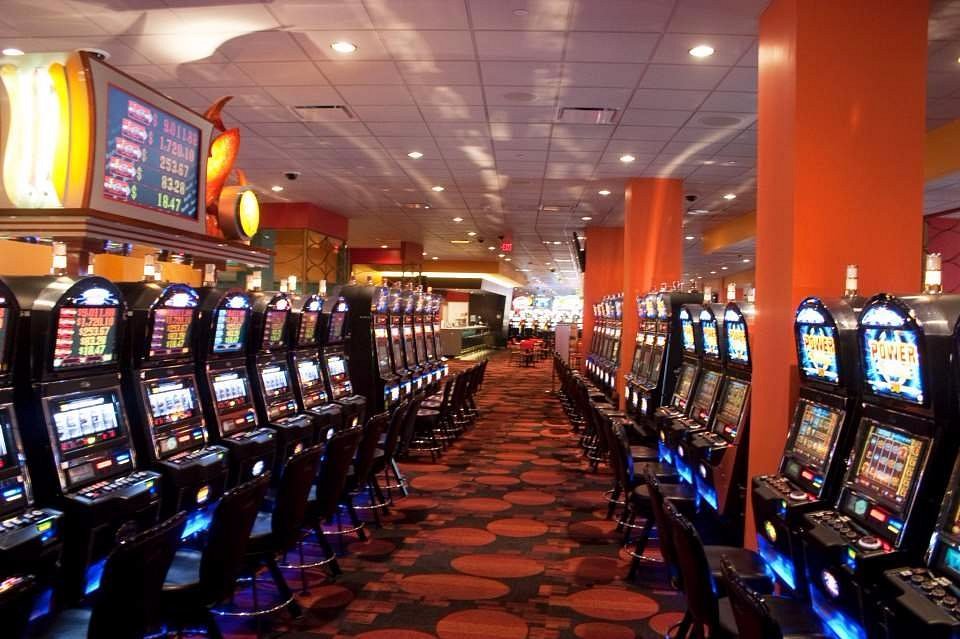
Casinos are ingeniously designed to create an environment where luck and skill can coexist harmoniously. The ambiance, layout, and interactive features of casinos are meticulously crafted to enhance player engagement. From the dazzling lights and enticing sounds to the strategic placement of games, every element is tailored to evoke excitement and encourage players to engage with both luck-based and skill-oriented games. This thoughtful design ensures that players of varying preferences find a game that resonates with them, enhancing their overall experience and fostering a sense of community.
In addition, casinos recognize the pivotal role of player retention in their success. By offering rewards, loyalty programs, and engaging experiences, establishments can encourage repeat visits from players. This not only drives profitability but also cultivates a vibrant atmosphere where individuals share strategies, tales of luck, and personal experiences. The social dimension of gambling deepens players’ connections to their favorite games, blurring the lines between competition, camaraderie, and enjoyment.
Ultimately, comprehending the dynamics between luck and skill enriches the gambling landscape. Players who grasp the intricacies of these elements can adapt their strategies accordingly, leading to more fulfilling experiences. The interplay of luck and skill within a casino setting presents both challenges and rewards, encouraging players to continuously explore and refine their gaming skills while celebrating the thrill of chance and the satisfaction of skillful play.